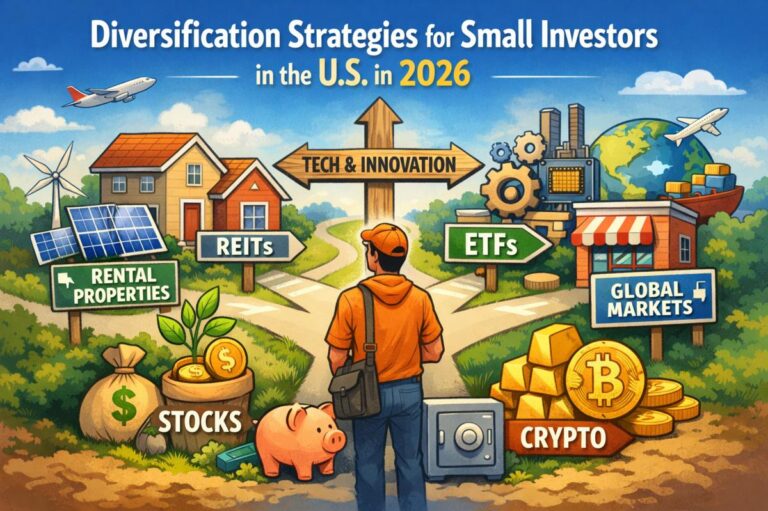
The investment landscape in 2026 continues to evolve, shaped by technological innovation, shifting economic conditions, and increased access to financial tools. For individual investors with limited capital, navigating this environment requires more than simply picking a few stocks.
It demands a thoughtful approach that balances opportunity with risk, ensuring that setbacks in one area do not derail long-term goals. Diversification remains a key principle, but its application has become more nuanced and accessible. As financial tools evolve, investors now have more ways than ever to tailor their portfolios to their specific needs and risk tolerance.
Building a balanced portfolio
Creating a well-rounded portfolio starts with understanding different asset classes and how they interact. Equities, bonds, and alternative investments each respond differently to market conditions, making them valuable components of a diversified strategy. By allocating funds across these categories, investors can reduce exposure to volatility in any single segment.
In recent years, low-cost exchange-traded funds (ETFs) have become especially popular among smaller investors. These instruments allow broad exposure to entire sectors or markets without requiring large capital. This approach not only simplifies diversification but also helps maintain flexibility as financial goals and market conditions change over time.
Exploring emerging opportunities
Beyond traditional assets, new investment avenues have gained traction, offering additional layers of diversification. Sectors like clean energy, artificial intelligence, and digital infrastructure present growth potential while also introducing unique risks. Carefully allocating a portion of capital to these areas can enhance returns without overexposing the portfolio.
At the same time, global exposure is becoming increasingly important. Investing in international markets can help mitigate risks tied to domestic economic fluctuations. Even small allocations outside the U.S. can provide meaningful diversification benefits, especially in a connected global economy.
Managing risk with consistency
Diversification is not a one-time decision but an ongoing process that requires regular review and adjustment. Market shifts, personal financial changes, and evolving goals all influence how a portfolio should be structured. Periodic rebalancing ensures that allocations remain aligned with the investor’s strategy and risk tolerance.
Equally important is maintaining discipline during market fluctuations. Emotional decisions can undermine even the most carefully planned strategies. By staying focused on long-term objectives and maintaining a diversified approach, investors can navigate uncertainty with greater confidence and resilience.
👉 Also read: How the boom in rental property investments is transforming personal finance in the U.S.?