
Health insurance mastery: How it shields your financial future

When thinking about personal financial planning, people often focus on savings, investments, and debt management. However, there’s a crucial piece that tends to get overlooked: health insurance. It plays an essential role not only in protecting you from unexpected medical expenses but also in safeguarding your financial stability.
Without health insurance, even a minor medical emergency can become a significant financial burden, potentially derailing years of careful planning. In this article, we will explore why health insurance is a critical component of personal financial planning, touching on its role in managing risks, preventing debt, and securing your overall financial well-being.
Managing medical expenses through risk sharing
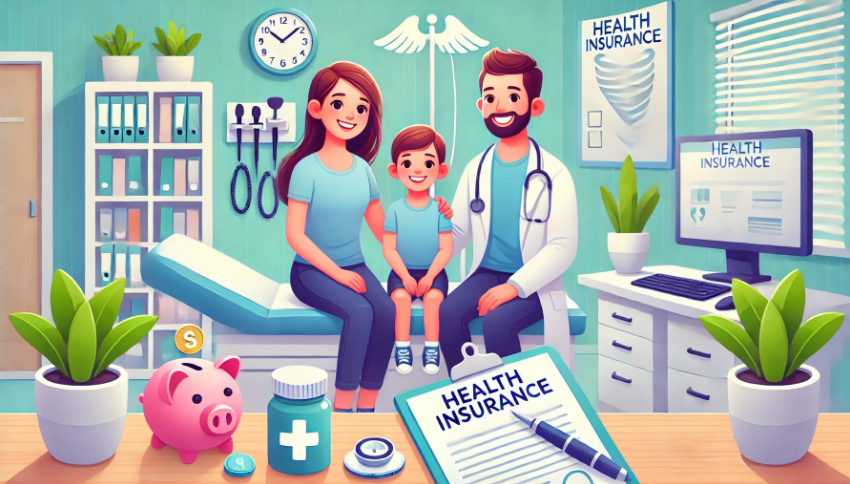
Health insurance is essentially a safety net that helps you manage the unpredictable nature of medical expenses. No one can predict when they will need emergency care, suffer from an illness, or require surgery, and without insurance, the cost can be staggering. By sharing this risk with an insurance company, you avoid having to pay these large sums out of pocket.
This form of risk-sharing is one of the primary benefits of having health insurance and is integral to maintaining financial stability. In fact, health insurance spreads the financial risk among a large group of people, ensuring that no single individual has to bear the entire cost of their healthcare alone.
Avoiding unexpected financial crises
Medical expenses are often one of the biggest financial shocks a person can face. According to studies, medical debt is one of the leading causes of personal bankruptcy, and many of these cases are due to unexpected health issues.
Health insurance prevents this by covering most or all of your healthcare costs, depending on the policy, and thus reducing the chance of a medical crisis turning into a financial disaster. Instead of scrambling to find thousands of dollars for an emergency surgery or hospital stay, your insurance will cover the bulk of the expenses, leaving you with manageable out-of-pocket costs.
Long-term financial planning with health in mind
Having health insurance also allows for better long-term financial planning. When you're covered, you can focus on saving for your future, rather than worrying about how a sudden illness might derail your plans.
It creates a sense of security that your finances won't be severely impacted by medical issues. Whether you’re planning for retirement, your children's education, or simply trying to build a safety net, knowing that medical costs are covered helps you stay on track.
Preventing medical debt: a silent but serious threat
Medical debt is often invisible until it’s too late. Many people don’t realize how quickly medical bills can accumulate, even for routine procedures or minor treatments. A simple trip to the emergency room or a brief hospital stay can result in bills that reach thousands of dollars.
For those without insurance, these bills come straight out of their pocket, potentially wiping out savings or forcing them into debt. In contrast, having health insurance means these costs are either fully or partially covered, preventing debt from accruing in the first place.
Debt spirals and their long-term effects
Once you enter into medical debt, the long-term effects can be devastating. Unpaid medical bills often lead to collections, which can severely damage your credit score and make it harder to secure loans or even rent an apartment. This cycle can become a financial black hole, dragging you further away from your financial goals.
Worse, the stress of medical debt can also take a toll on your mental and physical health, compounding the problem. Having adequate health insurance helps avoid this spiral, allowing you to recover financially while focusing on getting better physically.
Health insurance as a shield against poverty
Health insurance can act as a shield against poverty. Without it, one large medical bill can force people to drain their savings, sell assets, or even take out high-interest loans to cover costs. For low- and middle-income individuals, this can mean falling below the poverty line or struggling to make ends meet.
With the right health insurance policy in place, these risks are mitigated, offering a sense of protection and peace of mind that’s invaluable when planning your financial future. It empowers you to make confident financial decisions, knowing that your health needs are covered.
Securing your overall financial well-being
One of the key benefits of health insurance is that it allows you to budget for healthcare in advance. With predictable monthly premiums, co-pays, and deductibles, you can incorporate these costs into your financial plan.
This is in stark contrast to the uncertainty of paying for healthcare out-of-pocket, where a single medical emergency could cost you thousands. By budgeting for these expenses, you gain more control over your finances and are less likely to be caught off guard by unexpected healthcare costs.
Encouraging preventive care and healthy living
Another often overlooked advantage of health insurance is that it encourages preventive care. Most insurance plans cover annual check-ups, vaccinations, and screenings, which help catch health issues before they become serious (and expensive).
Preventive care not only keeps you healthier but also helps you avoid costly treatments down the road. In this way, health insurance promotes a proactive approach to health, saving you money in the long run and contributing to your overall financial well-being.
Balancing healthcare costs with other financial goals
When you have health insurance, you can balance healthcare costs with your other financial goals more effectively. Without the fear of sudden, unmanageable medical bills, you're free to allocate your resources toward other important aspects of your life, such as saving for a house, investing, or even taking that much-needed vacation.
Health insurance creates financial breathing room, allowing you to live your life without constantly worrying about what a medical emergency could do to your bank account. It offers peace of mind, ensuring that unexpected health issues won't derail your financial stability.
Health insurance is more than just a medical necessity; it is an integral part of personal financial planning. By protecting you from unpredictable healthcare costs, preventing medical debt, and contributing to your overall financial well-being, health insurance provides a layer of security that allows you to focus on achieving your long-term goals.
Whether you're budgeting for healthcare, avoiding debt, or planning for retirement, health insurance is the foundation that keeps your financial house in order. So, as you plan for your future, make sure health insurance is a top priority—it could be the key to your financial security.