
Rewiring finance: How the circular economy is reshaping the US financial sector

The concept of the circular economy, which emphasizes continuous use of resources rather than the "take, make, dispose" model, is making waves across industries. In the US financial sector, this shift is transforming how institutions approach investment, risk assessment, and client engagement.
This article explores how the circular economy is influencing asset allocation, risk management, and regulatory compliance, ultimately reshaping the financial landscape.
The circular economy and its key principles
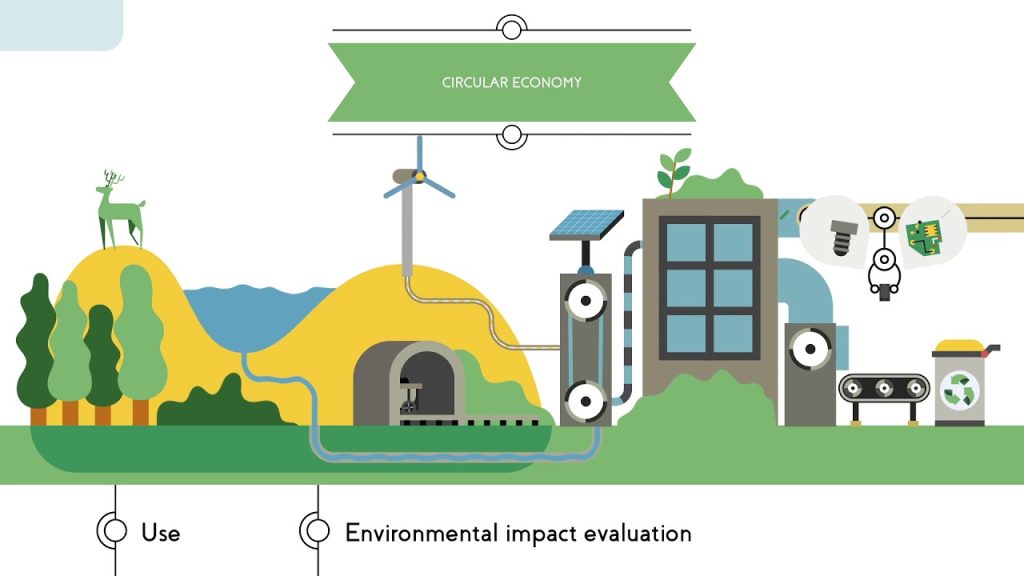
At its heart, the circular economy focuses on three principles: designing out waste and pollution, keeping products and materials in circulation, and regenerating natural systems. As businesses adopt these strategies, financial institutions are presented with new opportunities. Investors are increasingly drawn to companies prioritizing sustainability over short-term profits, leading to rising demand for eco-conscious portfolios and sustainable financial products.
Why the financial sector is aligning with circular economy principles
Meeting evolving investor expectations
Modern investors are looking for returns that align with environmental, social, and governance (ESG) goals. Financial institutions are responding by integrating circular economy principles, allowing them to meet the demands of an environmentally aware generation and increase appeal across diverse investor demographics.
Mitigating long-term risks
Circular economy principles offer companies an advantage against risks such as climate change and regulatory changes. By focusing on waste reduction and resource efficiency, circular businesses can mitigate dependencies on volatile resource markets, making them more attractive investment opportunities for financial institutions.
Adding value with sustainable finance products
Financial products like green bonds and sustainability-linked loans are gaining momentum, channeling capital into businesses committed to circular economy values. Institutions offering these products cater to the growing market for sustainable finance, adding value while supporting a transition to more circular business models.
The growth of sustainable investing within the circular economy
ESG investing as a growth driver
As ESG-focused investing surges, circular economy leaders are gaining visibility. Asset managers are using data-driven insights to evaluate companies’ sustainability practices, enabling informed decisions and fueling growth in ESG portfolios aligned with circular economy principles.
Private equity and venture capital interests
The circular economy presents private equity and venture capital firms with new growth areas. These firms are funding startups focused on circular innovations like recycling technology and sustainable packaging. By investing in circular solutions, these firms access new markets and appeal to the increasing demand for sustainable business.
Circular real estate
Circular principles are also reshaping real estate, with properties that prioritize recyclability, energy efficiency, and durability. Financial institutions are increasingly attracted to these assets, as circular buildings command higher valuations and are popular with environmentally conscious tenants.
Managing new types of risk in a circular economy
Risk assessment and material scarcity
One of the key benefits of the circular economy is its ability to mitigate risks associated with resource scarcity. For financial institutions, this means assessing companies’ exposure to supply chain disruptions and evaluating how circular practices can reduce these risks.
Financial analysts now examine a company's resource recovery efforts, recyclability of materials, and overall waste management to evaluate their resilience in the face of material shortages.
Climate-related risks
As the impact of climate change intensifies, the need for resilient business models is greater than ever. Financial institutions are increasingly factoring in climate-related risks when evaluating investment opportunities, and companies that embrace circular practices are better positioned to mitigate these risks.
For instance, organizations focused on reducing waste and pollution are often less exposed to regulatory pressures and reputational risks related to environmental harm.
Regulatory risk and compliance
The US government is implementing stricter environmental regulations, such as emissions standards and waste reduction requirements. Financial institutions face regulatory risk when they invest in companies that do not comply with these standards.
Companies that adhere to circular economy principles, however, are often better prepared to meet regulatory requirements, as they focus on minimizing waste, reducing emissions, and adhering to sustainable practices. By investing in such companies, financial institutions can reduce the likelihood of regulatory penalties and reputation damage.
The circular economy and financial innovation
The development of new financial products
The circular economy has spurred the development of innovative financial products. For instance, circular bonds allow companies to raise funds for circular projects, such as product redesigns that prioritize recyclability or waste-reduction initiatives.
These bonds provide an alternative to traditional debt instruments, attracting investors looking to support sustainable projects. Additionally, sustainability-linked loans offer incentives for companies that meet circular economy targets, such as reducing waste generation or increasing resource efficiency.
Data analytics and AI for circular finance
Financial institutions are also investing in data analytics and artificial intelligence (AI) tools to better assess the circular economy potential of companies. These technologies enable banks and asset managers to analyze data on waste management practices, resource use, and product lifespan, helping them make more informed investment decisions.
AI can also help institutions identify emerging circular economy trends, providing valuable insights for future investment strategies.
Challenges and future prospects
Barriers to circular economy adoption in finance
Despite its benefits, the transition to a circular economy poses challenges for the financial sector. Some financial institutions may be hesitant to adopt circular economy principles due to a lack of standardization and limited data on the long-term financial performance of circular companies.
Additionally, there are costs associated with updating systems and processes to accommodate new types of financial products and risk assessments.
Future outlook and growth potential
As more companies adopt circular economy practices, financial institutions will likely see an increase in demand for circular economy-focused products. The development of standardized metrics for assessing circular companies will also facilitate the adoption of circular economy principles in finance.
In the long term, the circular economy will not only offer a sustainable solution for the environment but also open new avenues for financial growth, allowing institutions to capture value while promoting sustainability.
Conclusion: reshaping finance through circular innovation
The circular economy is reshaping the US financial sector, influencing investment strategies, risk assessments, and regulatory compliance. By embracing circular economy principles, financial institutions can align with the growing demand for sustainable investments, reduce exposure to resource and climate-related risks, and create new revenue streams through innovative financial products.
As the circular economy continues to gain momentum, it promises to be a driving force in the future of finance, paving the way for a more resilient, sustainable financial ecosystem.