
Starting from scratch: Overcoming the challenges of building an emergency fund in the U.S.

In the U.S., life is often unpredictable. From unexpected medical bills to job loss or urgent repairs, an emergency fund is essential for maintaining financial stability. However, many people struggle to build this safety net, especially when starting from scratch. With rising living costs and a challenging economic landscape, it can seem almost impossible to set aside money for the future.
This guide will explore the common challenges individuals face when building an emergency fund in the U.S. and provide practical advice on how to start from zero, even if you feel financially overwhelmed.
Why an emergency fund matters
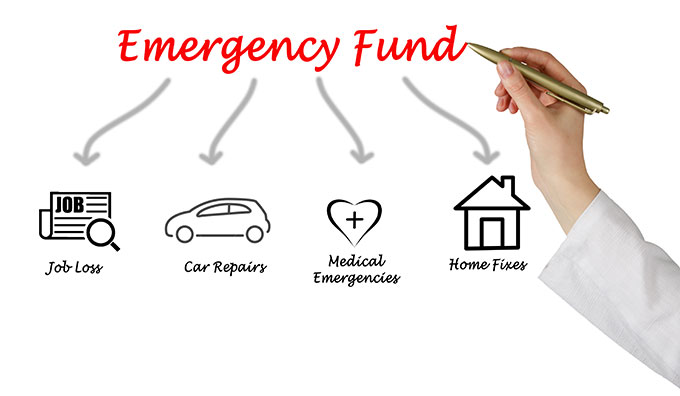
Before diving into the challenges, it’s essential to understand why having an emergency fund is so critical. According to financial experts, having three to six months’ worth of living expenses saved up is crucial for financial security. Here’s why:
- Unexpected Expenses: Life happens. Medical bills, car repairs, or home maintenance issues can arise at any time.
- Job Security: The job market is volatile. An emergency fund acts as a cushion if you suddenly lose your job or experience a decrease in income.
- Peace of Mind: Knowing that you have savings to fall back on can reduce anxiety and help you focus on your goals without constant worry.
The first challenge: Rising living costs
In the U.S., one of the biggest barriers to saving is the high cost of living. From rent and utilities to groceries and healthcare, expenses seem to climb higher every year. It’s difficult for many Americans to set aside money for emergencies when they’re barely making ends meet.
How to tackle this challenge:
- Track Your Spending: The first step in overcoming high living costs is understanding where your money is going. Use budgeting apps or spreadsheets to track your daily, weekly, and monthly expenses.
- Cut Back on Non-Essentials: Identify areas where you can reduce spending. This might include dining out less, canceling unused subscriptions, or switching to a cheaper grocery store.
- Set Realistic Goals: Don’t aim to save huge amounts immediately. Start small, even if it’s just $10 or $20 per week, and gradually increase as your financial situation improves.
The second challenge: Balancing debt repayment and saving
For many individuals, debt repayment is a priority, but this can conflict with the need to save for an emergency fund. Whether you have student loans, credit card debt, or other obligations, it can feel impossible to put money aside while paying off debt.
How to tackle this challenge:
- Prioritize High-Interest Debt: Focus on paying off high-interest debt first. Once these high-interest balances are paid down, you can redirect those payments toward savings.
- Consider the Snowball Method: The snowball method involves paying off your smallest debt first, which can provide quick wins and build momentum.
- Build a Mini Emergency Fund: While paying off debt, try to set aside a small emergency fund, such as $500, to cover minor unexpected expenses without having to rely on credit cards.
The third challenge: Unexpected life events
Life can throw curveballs, such as job loss, illness, or family emergencies. These events can put a strain on your finances and make it difficult to save. In times of crisis, it can feel like your savings goals are impossible to achieve.
How to tackle this challenge:
- Create a Buffer: While it’s difficult to predict the future, try to build a buffer that accounts for potential disruptions. A mini emergency fund can act as a lifeline in times of crisis.
- Consider Temporary Side Hustles: During tough times, consider taking on a side hustle or gig work to supplement your income and accelerate your savings.
- Lean on Social Support: Don’t be afraid to ask for help from family, friends, or community resources during difficult times. Many local organizations offer financial assistance or resources to help get you back on your feet.
The fourth challenge: Procrastination and lack of motivation
Starting from scratch can be overwhelming, and many people procrastinate because the task seems too big or the results too far off. Without motivation, saving for an emergency fund can feel like an impossible task.
How to tackle this challenge:
- Set Clear Goals: Break your savings target into manageable steps. Instead of focusing on saving $5,000, set a goal to save $100 per month and gradually increase it.
- Automate Your Savings: Set up automatic transfers to a separate savings account to make saving easier. Automation removes the temptation to spend the money and ensures consistent progress.
- Celebrate Milestones: Celebrate small victories along the way. Reaching milestones, even small ones, can keep you motivated and make the process feel rewarding.
The fifth challenge: Choosing the right savings account
Once you’ve started saving, you need to make sure your emergency fund is stored in a safe and easily accessible place. With so many options for savings accounts, choosing the right one can be confusing. Some accounts offer higher interest rates, but they may have restrictions on withdrawals.
How to tackle this challenge:
- Research High-Yield Savings Accounts: Look for accounts that offer higher interest rates than traditional savings accounts. This will allow your emergency fund to grow over time.
- Consider Liquidity: Make sure your savings account allows easy access to funds when you need them. Avoid accounts with penalties for early withdrawal or long waiting periods.
- Look for No Fees: Choose an account with no monthly maintenance fees to avoid unnecessary deductions from your savings.
Starting from zero: Steps to building an emergency fund
Now that we’ve explored the challenges, here’s a simple, actionable plan to help you start building your emergency fund from scratch:
- Assess Your Finances: Take a detailed look at your income, expenses, and debt. Create a budget to see where you can cut back and how much you can afford to save.
- Set a Small Initial Goal: Start with a goal of saving $500 or $1,000. This will give you a cushion for minor emergencies.
- Create a Separate Account: Open a separate savings account for your emergency fund to keep it distinct from your everyday spending.
- Automate Your Savings: Set up automatic transfers to ensure that you’re consistently putting money aside.
- Reevaluate Regularly: As your financial situation improves, adjust your savings goals and increase the amount you save each month.
Conclusion: The road to financial security
Building an emergency fund from scratch isn’t easy, but it’s an essential step toward financial security. By addressing the challenges head-on and taking small, manageable steps, you can gradually create a safety net for unexpected situations.
Stay committed, and remember that even small contributions add up over time. Start today, and give yourself the peace of mind that comes with knowing you’re prepared for whatever life throws your way.