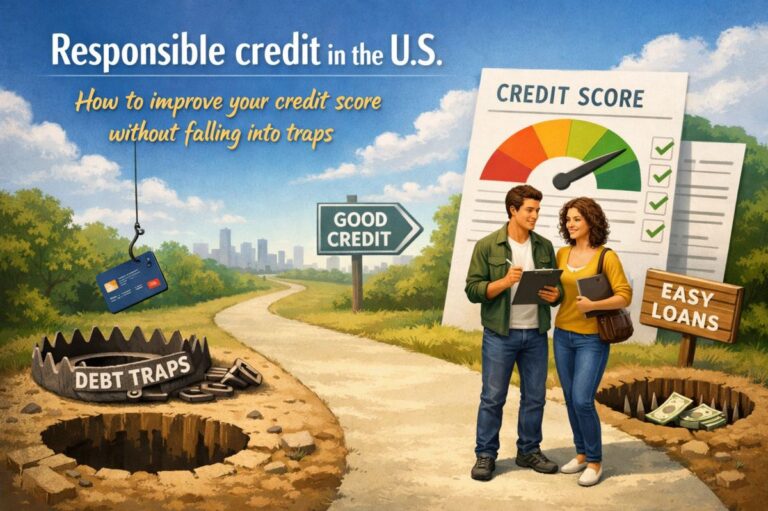
Building a solid credit profile in the United States is often seen as a necessary step toward financial stability, but it can also be a confusing and risky process. Many people focus only on quick fixes or popular tips without understanding how the system truly works.
As a result, they may fall into costly mistakes that slow progress or even damage their financial standing. Improving a score responsibly requires patience, strategy, and a clear view of how daily decisions influence long-term outcomes.
Habits that truly support credit growth
Consistent behavior plays a much bigger role than occasional actions. Paying bills on time, for example, is one of the strongest signals of reliability. Even a single late payment can have an outsized impact, especially for those with a limited credit history. Another important habit is keeping balances low in relation to available limits, which shows lenders that credit is being used carefully rather than as a financial crutch.
Length of history also matters. Maintaining older accounts, even if they are rarely used, helps demonstrate stability over time. Instead of opening and closing multiple lines in search of quick gains, focusing on steady, predictable use tends to produce better results. These practices may not deliver instant gratification, but they build a foundation that lasts.
Shortcuts that often backfire
Many consumers are tempted by offers that promise fast improvements. Services that claim to erase negative information or guarantee results usually rely on tactics that offer little real benefit. In some cases, they may even expose users to fraud or unnecessary fees. Similarly, applying for several new accounts in a short period can signal financial stress, leading to temporary drops instead of progress.
Another common pitfall is ignoring the details of reports. Errors do happen, but they should be addressed through official channels rather than aggressive schemes. Understanding what truly influences scoring models helps avoid decisions driven by myths rather than facts.
Long-term thinking and financial balance
Improving a credit profile should never come at the expense of overall financial well-being. Borrowing more than necessary or stretching budgets just to appear active can create pressure that outweighs any potential benefit. A healthier approach is to align credit use with realistic income, savings goals, and future plans.
When credit becomes part of a broader financial strategy, it supports opportunity rather than limiting it. By staying informed, avoiding shortcuts, and prioritizing balance, individuals can strengthen their standing over time while steering clear of traps that promise more than they deliver.
👉 Also read: Practical strategies to cut food expenses in the U.S. without sacrificing quality.