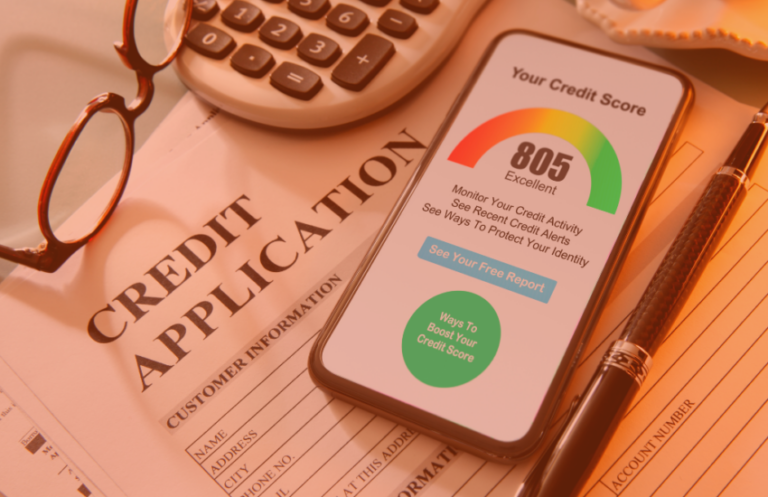
Your credit score is one of the most important indicators of financial health in the United States. It directly influences access to loans, credit cards, and even rental agreements. Because of its impact, reviewing your score regularly is crucial for spotting potential errors, monitoring changes, and developing strategies to improve your credit profile.
This article aims to highlight the importance of monitoring your credit score consistently while also introducing free tools available in the U.S. for tracking it. With financial services becoming increasingly digital, it has never been easier for consumers to access accurate credit data.
Why you should check your credit score frequently

Your credit score is calculated based on several factors, including payment history, credit utilization, length of credit history, and new credit applications. Even small changes in these areas can significantly affect your score over time. By checking it frequently, you can identify unexpected drops and address them quickly, whether by disputing errors or adjusting your spending habits.
Another advantage of reviewing your score often is gaining insight into how your financial behaviors impact your credit profile. For example, paying off debt or lowering credit utilization can increase your score, while missed payments can reduce it dramatically. Understanding these patterns empowers you to make smarter financial decisions and align your daily habits with long-term goals.
Common risks of neglecting your credit score
Failing to review your credit score can result in missed opportunities and preventable setbacks. Many consumers only discover problems when they are denied credit, facing embarrassment and limited options. Errors on credit reports are more common than many realize, including incorrect account information or fraudulent activity, and these can significantly reduce your score if not corrected promptly.
Additionally, without regular monitoring, you may not recognize gradual declines caused by poor credit utilization or excessive inquiries. Over time, these small missteps can limit access to competitive financial products, leading to higher borrowing costs and restricted financial flexibility. Regular reviews ensure that you stay informed and prepared.
Free tools to track your credit score
Fortunately, there are several free tools in the U.S. that allow consumers to monitor their credit scores with ease. Platforms like Credit Karma, Experian Free Credit Score, and Credit Sesame provide users with updated scores and personalized insights. Many banks and credit card companies also offer free monthly access to FICO scores directly through their apps or online portals, making it convenient for customers to stay informed.
These tools not only provide score updates but also highlight factors influencing your results. Some offer recommendations for improving your credit profile, such as paying down high balances or diversifying credit types. Regular use of these resources equips consumers with actionable insights that can lead to better financial outcomes and greater confidence when applying for credit.
Best practices for monitoring your score
To make the most of free tools, set a routine for checking your score at least once a month. Track changes over time and pay attention to alerts about unusual activity, which could signal fraud. It is also wise to review your full credit report annually, which is available for free through AnnualCreditReport.com. This comprehensive review helps identify inaccuracies that may not appear in score-only platforms.
Combine regular monitoring with proactive financial habits. Paying bills on time, keeping credit utilization low, and avoiding unnecessary credit applications all contribute to a stronger score. By combining healthy practices with consistent reviews, you can safeguard your financial reputation and secure better opportunities in the future.
Regular credit checks as a financial strategy
Reviewing your credit score regularly is not just about staying informed—it is a proactive financial strategy. By monitoring changes and using free tools, consumers can detect issues early, correct mistakes, and optimize their financial decisions. A strong credit score opens doors to lower interest rates, better loan approvals, and increased financial flexibility.
Ultimately, credit monitoring is a habit that empowers individuals to take control of their financial futures. With free resources widely available, there is no reason to overlook this essential practice. Staying vigilant today can ensure stronger financial stability tomorrow.