
Strategies for dealing with seasonal expenses in the U.S.: vacations, back-to-school, and special occasions

Seasonal expenses can sneak up on any household budget, especially in the United States where vacations, back-to-school shopping, and a calendar full of celebrations quickly add up. Instead of improvising every time, it helps to create a simple plan with practical tips you can repeat year after year. Start by mapping out the main spending seasons on a digital calendar, highlighting likely peaks.
Then connect each season to a realistic savings goal, using official budgeting apps like Mint or your bank’s official app to automate transfers before the expenses arrive. This way, the money is set aside gradually and consistently, reducing the risk of relying on last-minute credit card debt when those seasonal costs finally show up.
Understanding when costs pile up
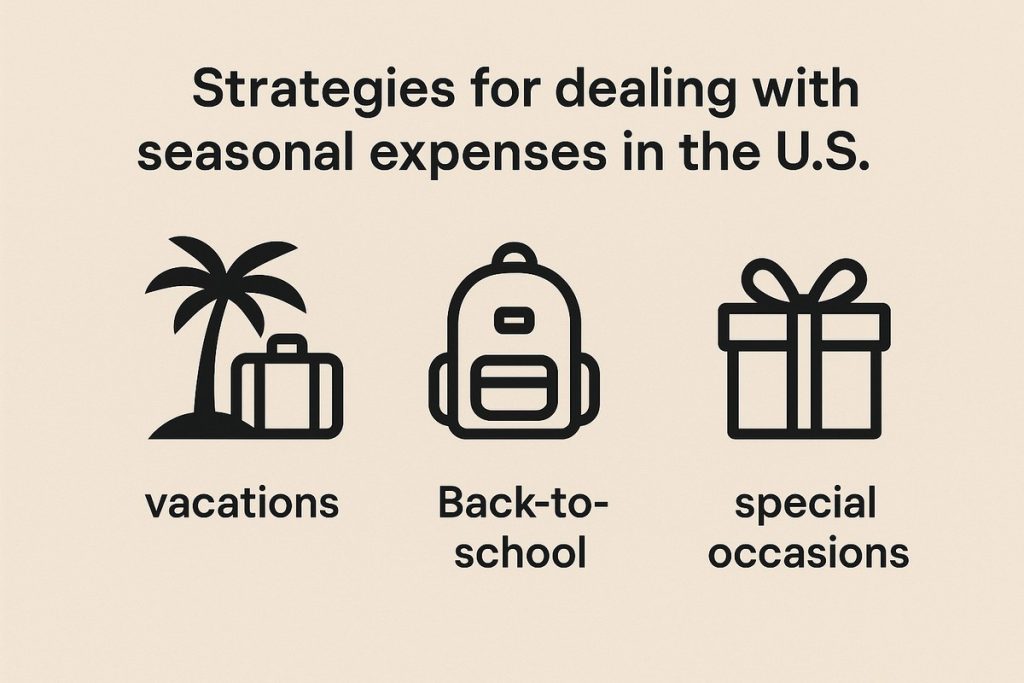
Before you think about spending, it’s worth understanding which periods of the year weigh most heavily on your wallet. For many families, summer trips, August or September school lists, and November and December holidays represent the largest cash outflows.
Listing these moments in advance helps you avoid impulse purchases driven by emotion or urgency. You can also review past credit card statements to spot patterns, identifying which merchants, categories, and travel sites tend to receive most of your money during these high-cost months.
Turning the calendar into a planning tool
Once you know when your expenses peak, you can turn seasonal chaos into a monthly savings routine. Divide the expected total cost of each event by the number of months you have until it happens, then set up automatic deposits into a dedicated savings space or envelope.
Many banks allow you to create labeled sub-accounts, such as “summer trip” or “holiday gifts,” inside your main account. Digital tools like the Mint app or your bank’s official budgeting dashboard can help you track progress and adjust contributions if your income changes.
Using cards to your advantage
Credit cards, when used carefully, can be powerful allies for navigating seasonal expenses more smoothly. Look for products that offer cash back on categories you use heavily at specific times, like travel, gas, or office-supply and stationery stores during the school rush.
Some issuers provide rotating bonus categories that align with holidays or vacation months, which can increase your rewards if you plan purchases strategically. Just be sure to pay the full statement balance every month, avoiding interest charges that would erase the value of any miles, points, or cash back earned.
Combining rewards and smart financing
In addition to choosing the right card, you can combine rewards with promotional financing to stretch large seasonal purchases without derailing your budget. Some major issuers and store cards offer short interest-free periods on back-to-school electronics, furniture, or airfare.
Use these options carefully, calculating how much you must pay each month to clear the balance before the promotion ends. Setting calendar reminders in your phone or using alerts in your bank’s app helps you stay on track, so the convenience of financing never turns into lingering debt or stressful collection calls.
Creating sustainable seasonal traditions
Seasonal spending becomes more manageable when you adopt traditions that are friendly to both your wallet and your values. Instead of treating every celebration as a shopping event, consider low-cost experiences like potluck dinners, game nights, or community events listed on your city’s official website. For vacations, explore off-peak dates or nearby destinations that reduce airfare and lodging.
When school season approaches, reuse supplies that are still in good condition and compare prices using retailer apps. These mindful choices protect your budget while still creating memories that feel rich, personal, and meaningful. Over time, these habits build a flexible, resilient financial routine that supports your favorite seasons instead of turning them into sources of anxiety.