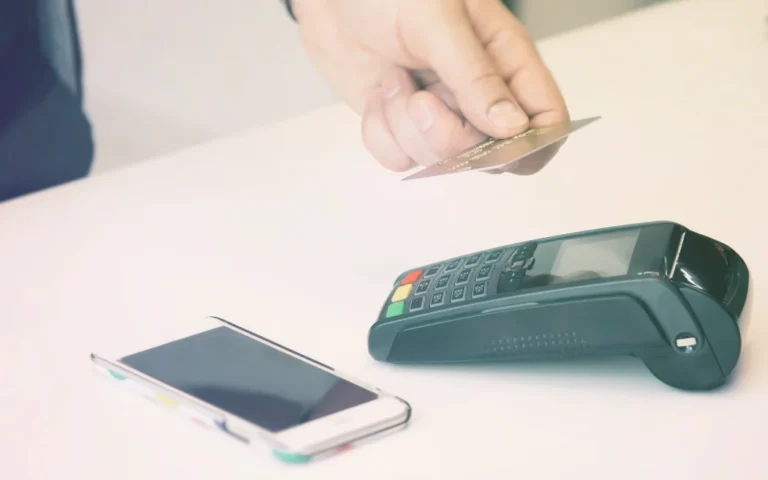
Payment methods in the United States are evolving at a rapid pace, with contactless payment leading the transformation. Offering speed, convenience, and improved security, it has changed the way people pay for goods and services. Whether using smartphones, smartwatches, or tap-enabled cards, consumers are embracing this shift toward cashless, instant transactions.
The goal of this article is to explore how contactless payment is affecting spending habits and budgeting in the US. We will look at key adoption trends, the psychological impact of frictionless transactions, and the role of digital tools in keeping finances under control.
The rise of contactless payment technology
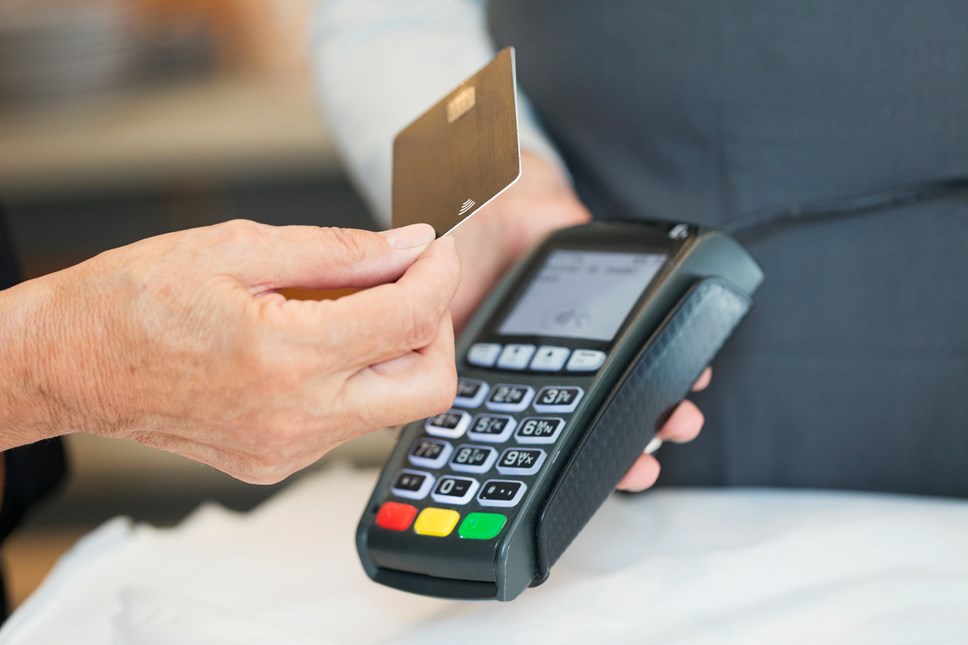
Contactless payment has rapidly gained popularity in retail, dining, and transportation, powered by near-field communication (NFC) technology. This allows transactions to be completed within seconds, reducing wait times and enhancing customer satisfaction.
According to industry reports, contactless payment adoption in the US has seen double-digit annual growth, with younger generations at the forefront. Millennials and Gen Z are particularly drawn to its speed, integration with mobile banking apps, and enhanced security features. This widespread adoption is setting new expectations, making quick and secure payments the standard for modern transactions.
Security and trust in digital payment
Security concerns were once a barrier for some users, but advances in encryption and tokenization have made contactless payment highly secure. Each transaction generates a unique digital code, making it extremely difficult for hackers to steal sensitive data. This technology, combined with biometric authentication such as fingerprint or facial recognition, adds multiple layers of protection.
These safeguards not only protect consumer funds but also build confidence in digital payment systems. As trust increases, users are more willing to adopt contactless payment for higher-value purchases, further accelerating its role in everyday commerce.
Impact of payment on spending behavior
The ease of payment through contactless methods can influence spending patterns significantly. Because transactions are fast and require little effort, consumers may be more prone to impulse buying. The absence of cash exchange can make spending feel less tangible, sometimes leading to reduced awareness of total expenses.
However, payment technology can also be leveraged for greater financial control. Many platforms integrate directly with budgeting apps, providing real-time expense tracking. This instant feedback enables consumers to adjust spending behaviors quickly and make better-informed decisions about where their money goes.
Using payment tools for better budgeting
Modern payment solutions offer features that simplify budgeting and goal tracking. Users can categorize expenses automatically, receive alerts for overspending, and set limits for specific categories such as dining or entertainment. This automation reduces the time and effort needed for manual budgeting while encouraging more disciplined financial habits.
For instance, a user can set their digital wallet to alert them when weekly spending exceeds a preset limit. This proactive approach encourages smarter money management and helps prevent debt accumulation. Over time, consistent use of these tools can improve overall financial stability and savings potential.
How payment innovations shape future money management
Payment technology, especially contactless options, is redefining how Americans interact with their finances. Its combination of speed, security, and integration with digital finance tools offers a powerful way to manage spending and saving.
By embracing new payment innovations while maintaining mindful spending habits, individuals can enjoy convenience without sacrificing control. This balance ensures that payment technology works as a tool for smarter financial decisions, not just faster transactions.