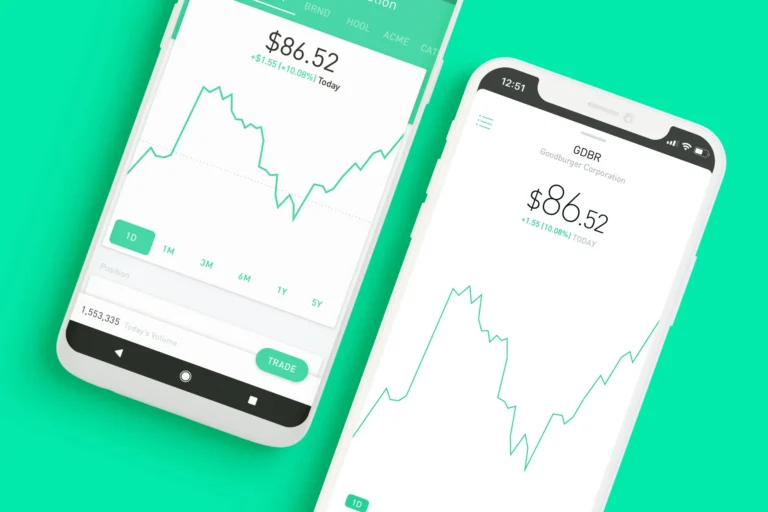
Investment has evolved dramatically in recent years, with new platforms, tools, and strategies making the financial markets more accessible than ever before. From fractional shares to AI-powered portfolio analysis, technology is reshaping how individuals approach wealth creation. Investors no longer need large sums of money to get started; instead, they can begin small and scale their portfolios strategically over time.
The purpose of this article is to explore the most relevant investment trends shaping today’s financial landscape. We will examine innovative tools, compare strategies, and discuss how these changes can benefit both beginners and experienced investors. Whether you aim to diversify, generate passive income, or prepare for retirement, understanding these trends will help you make more informed decisions.
Emerging technologies in investment

Technology is transforming investment strategies at an unprecedented pace. Robo-advisors, AI-driven analytics, and automated trading systems have become widely available, providing retail investors with capabilities once reserved for large institutions. These tools not only improve decision-making but also help minimize human error and emotional bias.
Recent data shows that AI-assisted portfolios can outperform traditional approaches under certain market conditions, thanks to real-time data processing and risk modeling. Moreover, blockchain technology is introducing new opportunities in decentralized finance (DeFi), enabling peer-to-peer lending, tokenized assets, and smart contracts.
How automation enhances returns
Automation in investment is not just about convenience—it can be a powerful driver of consistent returns. By setting predefined rules for buying, selling, and rebalancing, investors remove much of the guesswork from their strategy. This reduces emotional decision-making, which is one of the biggest causes of underperformance among retail traders.
For example, an investor using an automated strategy might capitalize on small but frequent market fluctuations in ways that manual trading cannot match. Additionally, automated rebalancing ensures that portfolios remain aligned with target risk levels, especially during volatile market periods. The result is a disciplined, data-driven approach that can help protect capital while optimizing growth potential.
Diversification as a core investment strategy
Diversification remains one of the most effective ways to reduce risk in investment. By spreading assets across various classes—such as stocks, bonds, real estate, and commodities—investors can protect themselves against losses in any single market segment. A well-diversified portfolio aims to balance potential returns with acceptable levels of risk, creating a more stable long-term growth trajectory.
With global markets increasingly interconnected, diversification now often extends beyond geography and asset class. Many investors are incorporating alternative assets, such as cryptocurrencies, private equity, and green investments, to further spread risk.
Practical ways to diversify effectively
Effective diversification starts with understanding your own risk tolerance and investment goals. A conservative investor might prioritize stable, income-generating assets like bonds and dividend-paying stocks, while a more aggressive investor may allocate more to high-growth equities or emerging markets.
One practical method is the “core-satellite” strategy, where a stable core of diversified index funds is complemented by smaller positions in higher-risk, higher-reward investments. This blend allows for growth potential without sacrificing stability.
Shaping your future through informed investment choices
In today’s fast-changing financial environment, staying informed is essential for successful investment. The combination of new technologies, diversified strategies, and disciplined execution offers more opportunities than ever before.
By embracing innovation while adhering to time-tested principles like diversification, investors can create a strategy that balances growth and risk. Whether you’re just starting out or refining an existing portfolio, a thoughtful, informed approach will help you navigate market uncertainties and work toward your long-term financial goals.