Fiscal policies, encompassing government taxation and spending decisions, play a pivotal role in shaping the economic landscape. For American families, these policies significantly influence financial planning, from daily budgeting to long-term wealth building. But how exactly do these policies impact households, and what strategies can families adopt to navigate their effects?
How taxation affects household income and savings

The weight of income taxes on budgeting
Income taxes are one of the most direct ways fiscal policies impact families. The federal income tax system, which uses a progressive structure, ensures higher earners pay more. While this promotes equity, it also reduces disposable income for many households, especially middle-class families balancing rising living costs.
As income tax brackets are adjusted over time, they can create additional financial planning challenges, particularly for families experiencing fluctuations in income.
The impact of tax credits and deductions
Tax credits like the Child Tax Credit (CTC) or deductions for mortgage interest can provide relief, effectively increasing a family’s income. However, navigating these benefits requires awareness and planning.
Families that fail to optimize their tax strategies may leave money on the table, exacerbating financial pressures. For instance, not fully understanding eligibility for education credits or retirement account deductions can mean missing opportunities to save.
Sales and property taxes: Hidden drains on wealth
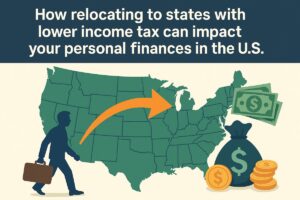
Beyond income taxes, state and local sales taxes subtly erode purchasing power. Meanwhile, property taxes, often tied to homeownership, vary widely depending on location. Families in high-tax areas may find their budgets stretched thin, while those in lower-tax states might enjoy a comparative advantage.
These taxes represent a significant financial burden that requires careful consideration during budget planning, especially when deciding where to live or invest in property.
Government spending and its trickle-down effect on households
Public programs that support family financial stability
Government spending on social programs, including healthcare, education, and infrastructure, can alleviate financial stress for families. Medicaid expansion has improved access to affordable healthcare, reducing out-of-pocket costs.
Similarly, investments in public schools and transportation can indirectly boost household savings. Programs such as Supplemental Nutrition Assistance Program (SNAP) also provide crucial support for low-income families, helping them manage basic living expenses.
National debt and future implications for families
Rising government debt raises concerns about future tax hikes or spending cuts. While current policies may provide short-term relief, the long-term effects could tighten household budgets as families bear the cost of servicing national debt.
If interest payments on the debt increase, resources allocated to public programs may diminish, impacting services that many families rely on. Additionally, as debt levels grow, there is the potential for policymakers to shift the burden to households through reduced benefits or increased taxes.
Stimulus packages: A double-edged sword
Economic stimulus measures, such as direct payments or enhanced unemployment benefits, provide immediate relief during crises. However, they also contribute to inflationary pressures, which can erode purchasing power over time.
Families must balance short-term gains with the potential for higher costs down the road, particularly in the form of rising prices for essentials like food, housing, and transportation. The introduction of stimulus checks, for instance, has allowed many families to address immediate needs but often results in broader economic ripple effects that demand longer-term adjustments.
The interplay between fiscal policies and inflation
How government spending fuels inflation
When government spending outpaces revenue, it can drive inflation. For families, this translates into higher prices for essential goods and services, making it harder to save or invest. Inflationary periods often force households to adjust their financial priorities, sometimes at the expense of long-term goals like retirement savings or college funds.
Adapting to fluctuating interest rates
Fiscal policies also influence Federal Reserve decisions on interest rates. Higher rates can increase the cost of borrowing for families, impacting everything from mortgage payments to credit card debt. Conversely, low-interest environments may encourage spending but reduce returns on savings accounts and investments. For families, staying attuned to these fluctuations is essential for making informed financial decisions.
Strategies for families to navigate fiscal policy impacts
Budgeting with tax changes in mind
Staying informed about tax policy changes is essential. Families should work with financial advisors or use online tools to calculate their tax liabilities and optimize deductions. Regularly revisiting budgets ensures alignment with current tax rates and available credits. Additionally, taking advantage of tax-advantaged accounts, such as 401(k)s or Health Savings Accounts (HSAs), can help mitigate the impact of rising taxes.
Building an emergency fund to offset economic uncertainty
Given the unpredictable nature of fiscal policies, having a robust emergency fund is crucial. This safety net helps families weather periods of economic instability, such as job losses or unexpected medical expenses. Experts often recommend saving three to six months’ worth of expenses, but this may need to be adjusted depending on individual circumstances and economic conditions.
Investing wisely during policy shifts
Investing in assets that can hedge against inflation, like real estate or certain stocks, may help families protect their wealth. Understanding how fiscal policies affect market trends is key to making informed investment decisions.
Diversifying investments across various asset classes can also reduce risk during economic uncertainty. Families should prioritize education on investment strategies or consult professionals to ensure their portfolios align with current economic realities.
Advocating for community-based financial literacy programs
Families can benefit from advocating for or participating in local programs that offer financial literacy education. Understanding how fiscal policies affect personal finances empowers households to make better decisions and adapt to changes effectively. By working together within communities, families can build networks of support and share strategies for financial resilience.
Conclusion: Planning for a stable financial future
Fiscal policies will always be a cornerstone of the economic environment, directly impacting American families’ financial health. While these policies can pose challenges, they also present opportunities for growth and stability.
By staying informed, budgeting wisely, and adapting to economic shifts, families can better navigate the complexities of fiscal policies and achieve long-term financial well-being. Proactive planning and community engagement are essential tools in turning fiscal challenges into manageable realities, ensuring financial security for generations to come.