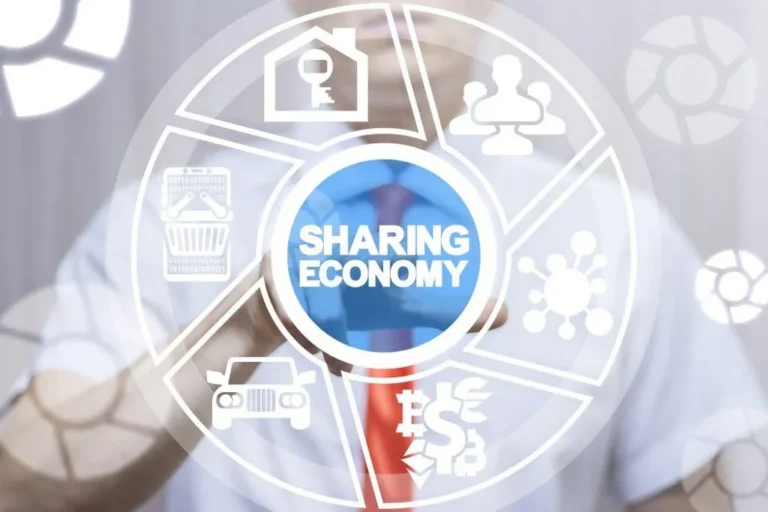
The shared economy, once a buzzword, has evolved into a transformative force in modern life. Across the United States, individuals are embracing platforms that enable them to monetize their skills, resources, and time.
From urban centers to rural towns, Americans are finding creative ways to enhance their earnings while enjoying unprecedented flexibility. This article delves into how this economic revolution is empowering people to navigate financial challenges and achieve their goals.
Why the shared economy resonates with modern lifestyles
Flexibility as a key driver
The traditional nine-to-five job model often limits flexibility, leaving many people yearning for alternatives. Platforms like Uber, Lyft, and DoorDash allow workers to set their schedules, making it easier to balance responsibilities like childcare or education. This flexibility has attracted millions who crave autonomy over their time.
The ability to work during evenings, weekends, or even in short bursts throughout the day makes these platforms particularly appealing. For students, parents, or those with part-time jobs, this level of control over work hours can significantly improve their quality of life.
Filling the income gap
Rising living costs and stagnant wages have pushed many Americans to seek supplementary income sources. The shared economy offers low-barrier entry points, enabling participants to quickly earn money without extensive training or upfront costs. For example, renting out a spare room through Airbnb can provide a significant financial boost.
Additionally, many people turn to these platforms during periods of financial difficulty, such as unexpected medical expenses or job loss. By providing a safety net, the shared economy empowers individuals to regain stability and avoid falling into debt.
Diverse opportunities in the shared economy
Ride-sharing and delivery services
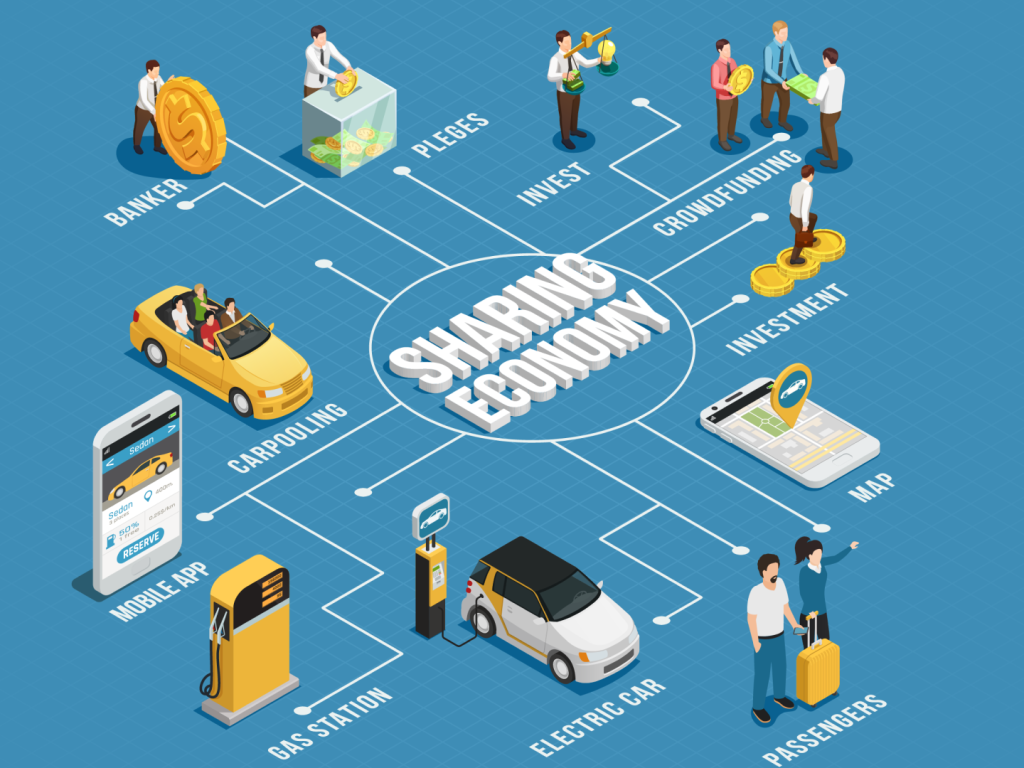
Companies like Uber and DoorDash have revolutionized how people view transportation and delivery. For many, driving a few hours a day provides enough income to cover bills or fund personal projects. Moreover, these roles require minimal investment, making them an accessible option for those with a vehicle and a smartphone.
Drivers also benefit from features like bonuses during peak hours and tips from satisfied customers, further enhancing their earning potential. The sense of independence and direct connection with customers often adds to the appeal of these jobs.
Renting unused assets
Platforms like Turo and Airbnb turn underutilized resources into money-making opportunities. Whether it’s renting out a car or an entire home, these services enable individuals to maximize their assets’ value. In densely populated areas, this approach is particularly lucrative as demand for short-term rentals continues to grow.
In addition to generating income, these platforms promote sustainability by encouraging resource sharing. Many participants also enjoy the social aspects of hosting guests or renting to like-minded travelers, creating a sense of community.
Freelancing and specialized gigs
Freelancing platforms such as Upwork and Fiverr cater to professionals seeking flexible ways to offer their skills. From graphic design to writing and coding, these platforms connect clients with talented individuals ready to work on-demand. This model is especially appealing to those with expertise in high-demand fields like tech and marketing.
Beyond the financial benefits, freelancing often allows workers to build their portfolios, gain valuable experience, and establish long-term professional relationships. Some freelancers even transition into full-time entrepreneurship, leveraging their platform success as a foundation.
Selling handmade goods and vintage finds
E-commerce platforms such as Etsy and Poshmark empower Americans to monetize creativity and entrepreneurial spirit. Selling handmade crafts, vintage clothing, or unique items has become a viable income stream for many. These platforms also allow sellers to reach global audiences from the comfort of their homes.
For creative individuals, this form of income combines passion with profit. The ability to showcase unique products to a worldwide audience has turned many hobbies into thriving businesses, enriching the lives of both sellers and buyers.
The social and technological enablers of the shared economy
Trust as the foundation
The shared economy thrives on trust, with platforms implementing robust systems to verify identities, track transactions, and encourage positive behavior. Reviews and ratings play a critical role in building credibility, ensuring participants feel safe engaging in transactions with strangers.
Technology as the bridge
Smartphones and apps have simplified the logistics of shared economy participation. With a few taps, users can sign up, connect with customers, and begin earning. The widespread adoption of digital payment systems has further streamlined processes, reducing barriers for both workers and consumers.
Challenges of relying on the shared economy for income
Income instability
While the shared economy provides opportunities, earnings can fluctuate significantly based on market demand, seasonality, and competition. Many workers experience financial uncertainty, especially during slow periods.
Lack of benefits and protections
Unlike traditional employment, shared economy roles often lack benefits such as health insurance, retirement contributions, and paid leave. This absence of safety nets poses long-term risks, particularly for individuals who rely on these platforms as their primary source of income.
Platform dependency
Relying on a single platform for income can leave workers vulnerable to sudden policy changes, fee increases, or account suspensions. Diversifying income sources within the shared economy is a common strategy to mitigate these risks.
How Americans are overcoming shared economy challenges
Building multiple income streams
To reduce reliance on any one platform, many participants diversify their activities. For example, someone might combine freelancing with ride-sharing or use multiple apps simultaneously. This approach not only stabilizes income but also enhances earning potential.
Strategic time management
Maximizing earnings in the shared economy often requires a strategic approach to time management. Identifying peak demand hours, capitalizing on surge pricing, and balancing commitments help workers optimize their efforts.
Advocating for policy changes
As the shared economy grows, workers and advocates are pushing for policies that address benefits, minimum earnings, and fair treatment. Organizations and unions are emerging to amplify workers’ voices and secure protections within this evolving landscape.
Looking ahead: The future of the shared economy
As technology continues to advance, the shared economy is poised to expand into new industries, offering even more innovative ways to earn. From peer-to-peer lending to shared farming initiatives, the potential for growth is immense. For Americans, this evolution represents not only financial opportunities but also a cultural shift toward collaboration and resourcefulness.
Conclusion: Empowerment through sharing
The shared economy has fundamentally changed how Americans think about work and income. By leveraging technology and embracing a collaborative mindset, individuals are unlocking new possibilities to achieve their financial goals. While challenges remain, the shared economy’s flexibility and accessibility make it an invaluable tool for those seeking to navigate modern economic realities.