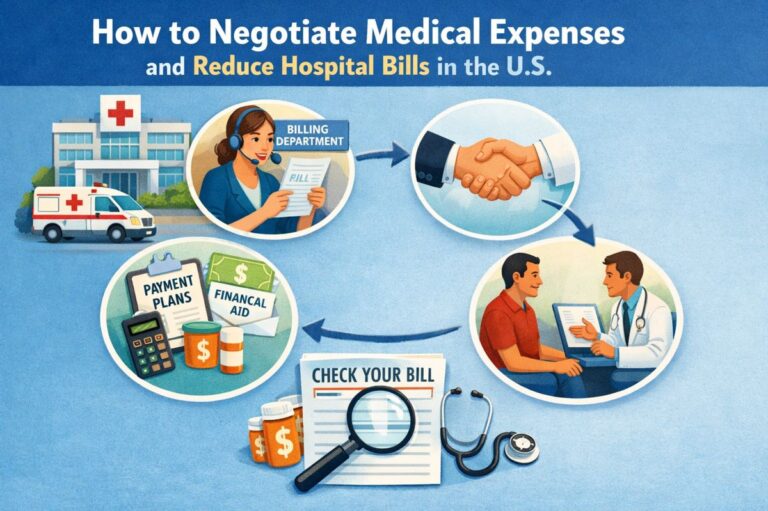
Healthcare costs in the United States can feel overwhelming, especially when unexpected medical bills arrive weeks or even months after treatment. Many patients assume these charges are fixed and non-negotiable, but that is rarely the case.
With the right information, preparation, and communication strategies, it is possible to significantly lower what you owe. Negotiating medical expenses is not about confrontation—it is about understanding the system and using it to your advantage.
Understanding your bill and your rights
Before attempting any negotiation, you need a clear picture of what you are being charged. Medical bills are often complex, filled with codes, duplicated services, or errors that inflate the final amount. Request an itemized bill and review it carefully. Look for services you did not receive, unclear descriptions, or charges that seem unusually high compared to typical rates.
Equally important is knowing your rights as a patient. Many hospitals are required to offer financial assistance programs, even if you have insurance. These programs are not always advertised, so you may need to ask directly. Additionally, federal price transparency rules allow patients to request cost estimates and compare prices across providers, which can strengthen your position during negotiations.
How to negotiate effectively with providers
Timing and tone matter when discussing costs. Contact the billing department as soon as you receive the bill, and approach the conversation calmly and professionally. Explain your situation clearly—whether it involves financial hardship, lack of insurance, or unexpected charges.
Ask specific questions and propose realistic alternatives. You might request a discount for paying in cash, a reduction based on comparable market rates, or an interest-free payment plan. If the first representative cannot help, politely ask to speak with a supervisor. Persistence often pays off, and it is common for hospitals to reduce bills simply to ensure they get paid.
Using external help and long-term strategies
If negotiating directly feels intimidating, consider using external resources. Medical billing advocates specialize in reviewing charges and negotiating on your behalf, often saving patients substantial amounts. While they typically charge a fee or percentage of savings, the net benefit can still be significant.
Looking ahead, proactive planning can prevent future financial stress. Choosing in-network providers, requesting cost estimates in advance, and setting aside funds in a Health Savings Account (HSA) can make medical expenses more manageable. Ultimately, reducing hospital bills is not just about one negotiation—it is about building awareness and confidence in navigating the U.S. healthcare system over time.
👉 Also read: Practical strategies to cut food expenses in the U.S. without sacrificing quality.