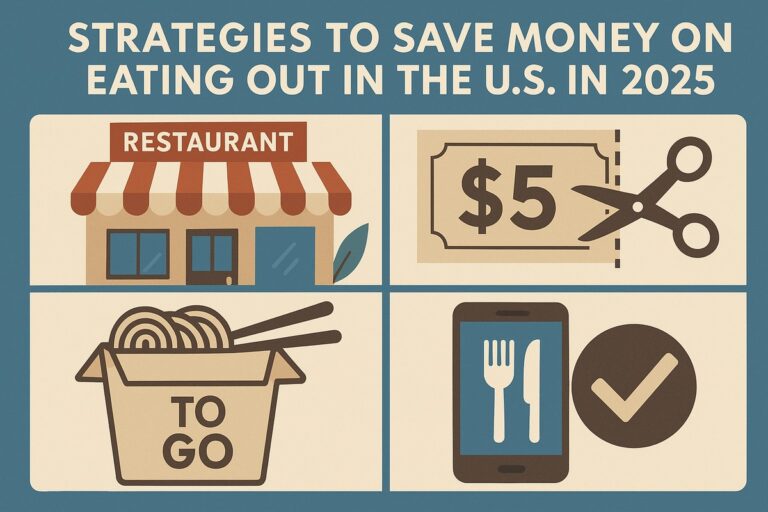
Dining out in the United States can feel like a budget trap in 2025: menu prices are up, tipping expectations remain high, and extra fees can sneak onto the bill. Still, going out doesn’t have to mean blowing your monthly plan.
With a few smart habits and a little timing, you can keep enjoying restaurants, cafés, and takeout while spending noticeably less. The key is to treat eating out like any other expense category—one where small choices add up fast.
Plan smarter before you sit down
Start saving money before you even leave home. Many restaurants post menus online, and a quick look helps you avoid impulse ordering when you’re hungry. If a place is known for pricey entrees, consider splitting plates, adding a side, or choosing a filling appetizer instead. Another simple trick: eat a small snack beforehand. It sounds tiny, but arriving less ravenous makes it easier to order what you want, not what your stomach panics for.
Look for neighborhood gems and family-run spots. They often give better portions for the price than big chains in tourist-heavy areas. Also, don’t ignore lunch. In most U.S. cities, lunch specials and prix-fixe midday menus offer the same kitchen quality for a lower cost than dinner.
Use tech deals without getting baited
Apps can be your best friend if you use them intentionally. Reward programs, digital coupons, and cashback platforms still offer real savings in 2025—especially for fast-casual, coffee, and delivery. The trick is to avoid “deal inflation,” where you buy more just because an offer exists. Decide what you’re already planning to eat, then search for discounts that match it.
Delivery is the biggest budget leak for many people. If you’re ordering in, compare platforms, watch out for service and small-order fees, and pick up yourself when possible. Even one self-pickup per week can save a surprising amount over a month.
Master the hidden costs that swell the bill
In the U.S., the final price is rarely just the menu number. Taxes vary by state and city, and tipping (often 18–25%) changes your total quickly. When budgeting, mentally add a “real cost” layer to each meal. A $20 entrée can end up closer to $27 after tax and tip.
To keep things balanced, set a weekly or monthly “going out allowance” and track it casually—notes app, spreadsheet, whatever feels easy. When the limit is clear, you can say yes to a dinner invite without that slow financial hangover later. Eating out stays fun when it fits your life, not fights it.
👉 Also read: Practical strategies to cut food expenses in the U.S. without sacrificing quality.